So, you’ve painstakingly restored that legendary family photo—the one with Great Aunt Edna’s winged eyeliner and your uncle’s questionable mustache. It’s sharper, brighter, and ready for its close-up. But, quick question: what’s stopping it from turning into a faded ghost by the time your great-grandkids get their hands on it? Hint: it’s not the Wi-Fi or your dog knocking it off the shelf. It’s all about the ink.
Not all inks are created equal, and when it comes to giving your prints a fighting chance against the world (and sunlight, humidity, and the odd coffee spill), pigment-based ink is the best option. If you actually want those memories to last more than a couple of Netflix binges, keep reading—let’s talk about why pigment ink is your new best friend.
Pigment vs. Dye: A Cage Match (Except Less Dramatic)
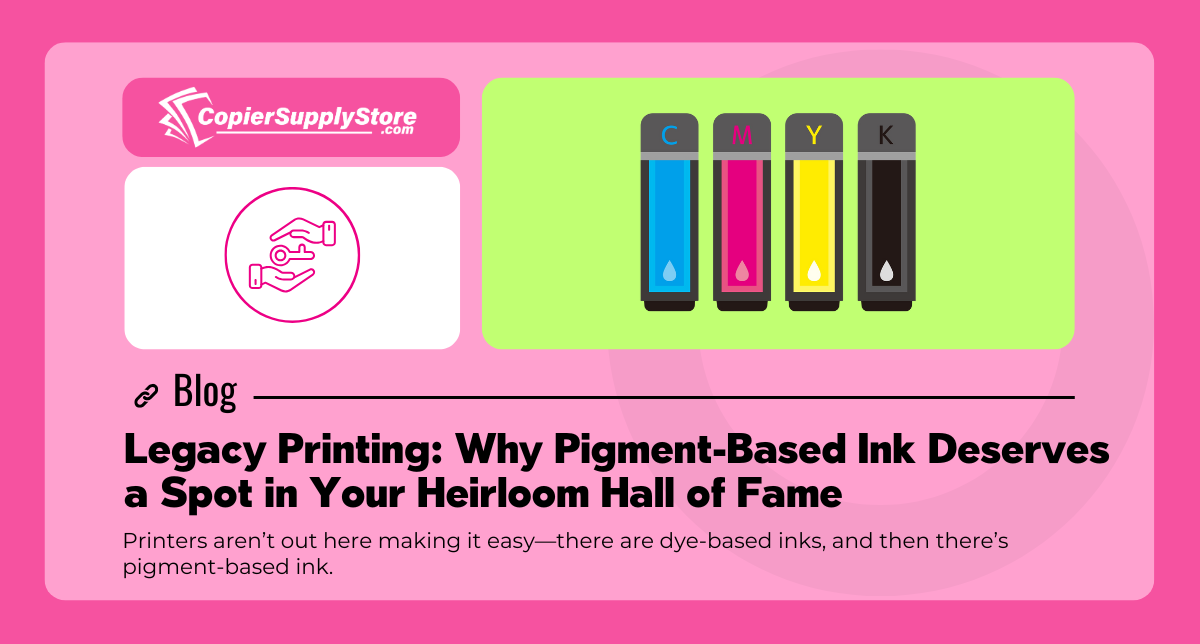
Printers aren’t out here making it easy—there are dye-based inks, and then there’s pigment-based ink. On the surface, your printouts might look like twins. But give it a few years (or a sunny windowsill), and the differences show up faster than a toddler with a marker.
Dye-based ink: Think of this as Kool-Aid for your paper. It soaks right in, giving you punchy colors and, unfortunately, a tendency to fade faster than last year’s viral dance challenge. UV rays, humidity, and air pollution? Dye inks fold.
Pigment-based ink: These are tiny, stubborn particles that sit on top of the paper, refusing to dissolve. Imagine ink with a stubborn streak—once it’s there, it doesn’t want to budge. This “paint-on-the-paper” vibe is the secret sauce for legacy prints.
Why Pigment Ink Wins the Endurance Test
You want your photos to outlast your phone’s battery life—and preferably, you. Pigment ink brings some serious superpowers to the table.
Lightfastness: Sun 0, Pigment Ink 1
The number one nemesis for your favorite snapshots? UV light. Hang a dye-ink print by the window, and you’ll soon have a ghostly outline where that vacation sunset used to be. Pigment particles, though, are like tiny sunblock-wearing warriors. They’re much harder for UV rays to break down, so your colors stay put for decades (even centuries if you’re fancy and use archival paper).
Water Resistance: When Life Gets Splashy
Spilled your coffee? Kid decided to “wash” your photos? Dye ink: “Bye.” Pigment ink: “Bring it on.” Pigment inks are water-resistant champs—they bond to the paper’s surface and shrug off accidental drips and humid days. Moisture can pack its bags.
Airborne Enemies: Fading Isn’t Inevitable
The stuff floating around in the air—pollutants, gases—is bad news for fragile dye molecules. Over time, they react and make old photos turn that lovely yellow or brown color no one asked for. Pigment ink, with its solid, stable makeup, keeps your colors loyal. Translation: Grandma’s smile stays, well, the way she actually smiled.
Setting Up Your Personal Museum at Home
A decade ago, making a gallery-quality print meant calling in a favor from a professional lab. Now? You can set up your own printmaking palace without leaving your sweatpants. Here’s how to get the best results:
Choose the Right Printer: Not All Heroes Wear Capes
Brands now make photo printers specifically designed for longevity. Look for the ones boasting insane DPI numbers (hi, detail-obsessed friends) and a gang of ink cartridges—eight, ten, sometimes twelve. More cartridges = more accurate colors and black-and-white prints that actually do justice to those moody black-tie wedding photos.
Pro tip: If you’re scanning the fine print, check for “giclée,” “archival,” or “fine art” labels. These shout “pigment-based ink inside.”
Don’t Skimp on the Paper
Archival paper is the Robin to your ink’s Batman. Acid-free, lignin-free, and engineered so it doesn’t turn crispy or yellow after a few years. Pair with pigment ink for max longevity—your prints deserve it, and (let’s face it) so do your future family historians.
You’re Printing a Legacy—Make It Last
Your photos aren’t just images—they’re proof that bell-bottoms existed… and so did that epic road trip. Sure, dye ink is fine for printable coupons and grocery lists. But for photos you want to survive the apocalypse (or, you know, a sunny day), it’s pigment-based all the way.
So go on, grant your best memories the immortality they deserve. Choose pigment ink, use the right paper, and let your great-great-grandkids thank you for not leaving them with a stack of mysteriously faded strangers.